
Every so often a technology crosses the line from curiosity to conviction, and this was the year hybrid power finally proved itself in the off-road world. For years, riders assumed that electric assist was a compromise, something for commuters, not for machines that live on muddy trails and mountain passes. The past twelve months rewrote that assumption. The swm hybrid story is the story of a technology that stopped being a novelty and became the answer to questions riders had been asking for a decade.
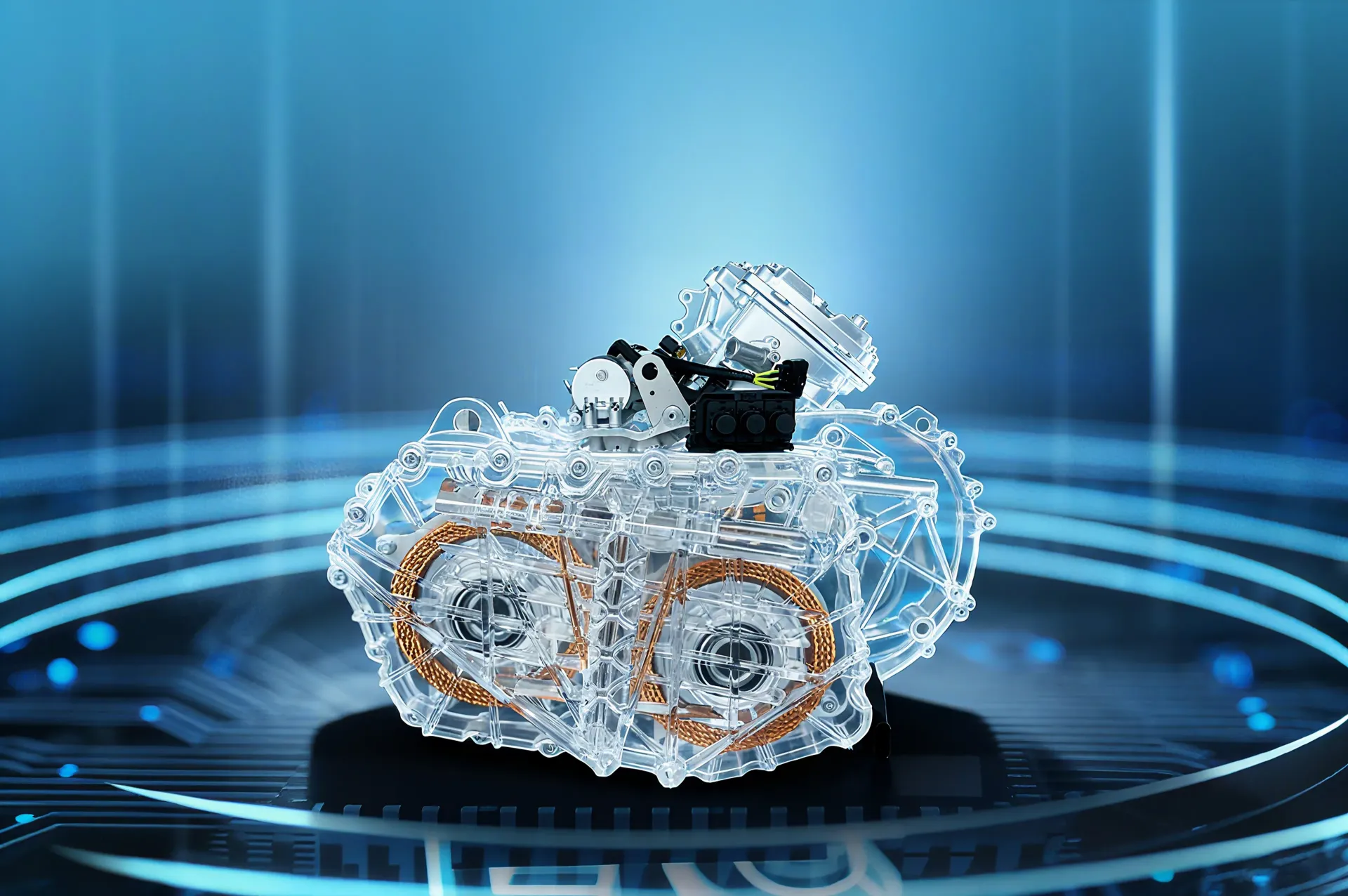
Spring: the doubters meet the prototype. The year began with skepticism. When the first hybrid UTVs reached demo fleets, riders lined up to try them with arms crossed, expecting the worst: weak low-end torque, heavy batteries, complicated systems. What they found instead surprised everyone. The electric motor filled in the gap at low speed where a combustion engine is at its weakest, giving the machine instant, silent, tractor-like pull from a standstill. Riders who climbed their first steep hill in a hybrid UTV came back grinning, and the skepticism began to melt.
Summer: the torque story spreads. Summer is the season of loaded machines, and that is where hybrid power shines. Hauling a trailer of firewood, creeping through a muddy orchard, or pulling a stuck companion out of a bog, the electric assist provides torque the moment the wheels need it, with no clutch slip and no belt heat. Farmers and property owners, the hardest people in the world to impress, started asking for the hybrid option by name. The utv hybrid concept stopped being a talking point and became a workhorse, and the summer’s fieldwork gave the technology its credibility.
It was also the summer that range anxiety quietly died. Riders discovered that the hybrid approach, with the combustion engine as the backbone and the electric motor as the assist, means you never have to think about charging stations. The battery recharges as you ride, and the result is the best of both worlds: the clean, instant torque of electric power combined with the range and refueling speed of a combustion engine. That combination proved to be the exact formula the market wanted.
Autumn: the industry takes notice. When the autumn shows arrived, hybrid power was no longer a fringe curiosity; it was a headline feature, and the hybrid utv machines drew crowds wherever they were demonstrated. What impressed industry observers was not just the technology itself but how mature it had become. The systems were quiet, reliable and easy to understand, with no exotic maintenance requirements and no compromises in payload or towing. The engineering had clearly been done by people who ride, not by people who only read about riding.
The autumn sales data confirmed the shift. Hybrid-equipped machines outsold their conventional siblings in several key markets, and the trade-in market told the same story: riders who had tried hybrid were trading their conventional machines to get it. Dealers who had stocked a single hybrid unit as a showpiece found themselves reordering in multiples. The technology had crossed the tipping point.
Winter: consolidation and the road ahead. Winter brought the annual lull, but this year it also brought reflection. Across forums, clubs and trailhead conversations, the same verdict emerged: hybrid power did not just match conventional performance, it improved the experience in the places that matter most. The low-speed control made technical trails easier, the reduced engine load improved efficiency, and the instant torque made every ride feel more capable. Riders who had once laughed at the idea were now planning their next purchase around it.
Looking back over the year, the rise of the swm hybrid was really a story about listening. The technology answered a need that riders had been expressing for years: they wanted more low-speed control, more efficiency and more capability, without giving up the range and simplicity of a conventional machine. Hybrid delivered all of it, and the market responded exactly as it always does when a genuine need is met: with enthusiasm.
As the new season begins, the hybrid machines are already out on the trails, their electric motors humming quietly as they pull away from trailheads, carrying riders, gear and dogs up the same hills that once seemed too steep. The doubters of last spring are now the owners of this winter, and the technology that was once a curiosity has become a cornerstone. Next year’s review will not ask whether hybrid works; it will ask which machines are still being built without it.