A leather jacket can look fantastic on one person and completely wrong on another, even when both wear the same labeled size. The reason is simple: leather jackets are designed to fit differently from T-shirts, hoodies, and many casual coats. 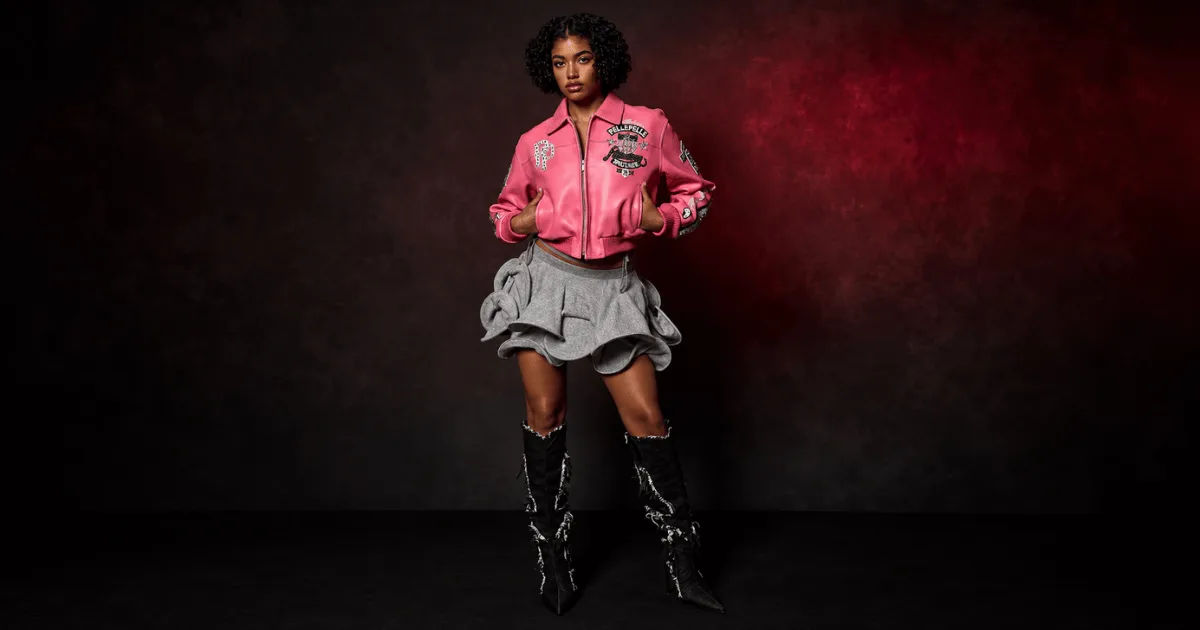 The material has limited stretch, the cut matters, and measurements such as chest, shoulder width, sleeve length, and jacket length all affect comfort and appearance. If you are shopping at Pelle Pelle Store, understanding how sizing works can help you choose a jacket that looks intentional rather than oversized, cramped, or awkward.
The biggest mistake shoppers make is trusting the letter or number on the label more than the actual measurements. A medium in one leather jacket may feel closer to a small or large in another because brands use different patterns and cuts. Vintage-inspired jackets, biker styles, bomber jackets, and oversized designs can all use different proportions. At Pelle Pelle Store, as with any leather-jacket retailer, checking the specific measurements of each design is more reliable than assuming your normal clothing size will always fit.
Why Leather Jacket Sizing Is Different
Leather jackets are structured garments. Unlike knitted clothing, leather does not normally stretch enough to compensate for a poor fit. A jacket that is too tight across the chest can restrict movement, while one that is too large can make the shoulders look dropped and the body appear wider.
Leather can change slightly with wear. Some hides soften and mold to the body, particularly around the elbows, shoulders, and torso. However, you should never purchase a jacket that is seriously too small because you expect it to stretch into the correct size. Breaking in leather can improve flexibility, but it cannot reliably add several inches of usable room.
The intended style also changes the sizing target. A fitted motorcycle jacket is usually closer to the body than a relaxed bomber. A shearling-lined jacket needs additional space because the lining adds bulk. A contemporary fashion jacket may deliberately have broader shoulders or a shorter body.
When comparing jackets at Pelle Pelle Store, therefore, consider the cut before deciding whether your normal size is appropriate.
The Main Measurements You Need
Chest Measurement
Your chest measurement is usually the most important starting point. Wrap a measuring tape around the fullest part of your chest while keeping the tape level and relaxed. Do not pull it tightly against your body.
If you plan to wear sweaters or thick layers underneath, account for that when choosing your size. A jacket worn over a T-shirt does not require the same amount of room as one worn over a hoodie.
Shoulder Width
Shoulder width is equally important because the shoulder seam determines how naturally the jacket sits. Ideally, the seam should fall close to the point where your shoulder ends.
A seam that sits far beyond your shoulder can make the jacket look too large. A seam that sits inward can pull across the upper back and restrict movement.
When comparing options from Pelle Pelle Store, pay close attention to shoulder measurements if they are provided. Correct shoulders can make a greater difference than simply choosing a larger or smaller chest size.
Sleeve Length
Sleeve length is another major factor. With your arms relaxed, the sleeves should generally reach around the wrist area. Some designs intentionally have slightly shorter sleeves, particularly cropped or fashion-focused jackets.
The key is to distinguish intentional styling from a sleeve that is simply too short. If the jacket is supposed to be a traditional everyday leather jacket, sleeves that stop well above the wrist are usually a sign that the size or cut is not right.
Jacket Length
Jacket length affects the entire silhouette. Bomber jackets often finish around the waist or upper hip, while motorcycle and casual leather jackets may extend farther down the torso.
The correct length depends on the style, your proportions, and what you intend to wear underneath. A cropped jacket should not be judged by the same standard as a long leather coat.
How to Measure Yourself Correctly
Use a flexible measuring tape and, ideally, have another person help you. Wear a thin shirt rather than a bulky sweatshirt so your measurements represent your body accurately.
Measure your chest at its fullest point. Keep your arms relaxed and breathe normally. Next, measure your natural waist if the jacket is fitted or tapered.
For body length, measure from the top of your shoulder down to the point where you want the jacket to finish. This is particularly useful when comparing cropped, regular, and longer styles.
For sleeves, measure from the shoulder point to the wrist. If the jacket has a dropped-shoulder design, remember that its sleeve measurement may not correspond directly to your body measurement.
Once you have these numbers, compare them with the individual size chart. This is more reliable than assuming your usual shirt size will work.
Jacket Size Charts
A size chart may show body measurements, garment measurements, or both. These are not the same thing. A chest measurement of 40 inches may describe the person's body, while a jacket with a 40-inch chest measurement would leave almost no room for movement.
Garment measurements can be especially useful for leather jackets. If the actual jacket chest is larger than your chest measurement, the difference provides wearing ease. How much ease you need depends on the jacket style and your layering plans.
For example, a close-fitting fashion jacket may require only modest extra room, while a winter leather jacket worn over a sweater needs considerably more. Do not apply one fixed sizing rule to every design.
One of the most practical methods is comparing the measurements with a jacket you already own and like. Lay your existing jacket flat, measure the chest, shoulders, sleeves, and length, and compare those numbers with the new jacket.
This approach can be particularly helpful when buying from Pelle Pelle Store online because it gives you a real garment reference instead of relying entirely on labels.
How a Proper Leather Jacket Should Fit
A properly fitted leather jacket should feel secure without feeling restrictive. When zipped or buttoned, the front should close without excessive pulling or large folds around the chest.
The shoulders should sit naturally. You should be able to move your arms forward and raise them without the entire jacket becoming uncomfortably tight. Some resistance is normal because leather is structured, but sharp pressure or strong pulling is a warning sign.
The torso should follow your shape without clinging to every contour. For a classic fitted look, a small amount of room is preferable to excessive looseness.
The sleeves should normally cover the wrist area. If they end significantly above the wrist, the jacket may be too short unless that shorter appearance is part of the design.
A good jacket should also remain comfortable when sitting. Always test the fit in more than one position before deciding that the size is right.
What Different Fits Mean
Slim Fit
Slim-fit leather jackets have a narrow silhouette and are designed to sit closer to the body. They work well when you want a sharp, streamlined appearance and normally plan to wear light layers underneath.
Slim does not mean painfully tight. You should still be able to zip the jacket and move your arms naturally.
Regular Fit
Regular-fit jackets provide more room through the chest and torso. They are often easier to wear every day because they allow movement without creating an obviously oversized appearance.
This is a versatile choice for people who want to wear a leather jacket with different outfits.
Relaxed and Oversized Fit
Relaxed jackets have additional room and may feature broader shoulders or a longer body. Oversized jackets intentionally create an even larger silhouette.
An important point is that buying a larger size does not automatically create the same appearance as a professionally designed oversized jacket. A true oversized jacket is usually patterned that way from the beginning.
If an oversized look is your goal, check the design description at Pelle Pelle Store rather than simply sizing up a regular jacket.
Should a Leather Jacket Be Tight or Loose?
The answer depends on the jacket style, but neither extreme is ideal. A leather jacket should normally have enough room for natural movement while maintaining its intended silhouette.
A useful test is to zip the jacket fully and move your arms forward as if you were holding a steering wheel. If the shoulders and upper back become painfully tight, the jacket is probably too small.
If there is a large amount of unused fabric around the torso and shoulders, it may be too large. The jacket should look clean without making you feel trapped inside it.
Think about what you will wear underneath. If you usually wear a T-shirt, you can choose a closer fit. If you regularly wear knitwear or sweatshirts, you need additional room.
Signs Your Leather Jacket Is Too Small
Excessive horizontal wrinkles across the chest are a common warning sign. Strong pulling around the zipper or buttons is another.
If the armholes feel restrictive or you cannot comfortably move your arms forward, the jacket may be undersized. The shoulder seams should not sit noticeably inside your natural shoulder line.
Sleeves that end significantly above the wrist can also indicate that the jacket is too small, although some cropped designs are intentionally short.
Do not confuse a new jacket's stiffness with an incorrect size. New leather can feel firm, but stiffness should not cause pain or prevent normal movement.
Before keeping a jacket purchased from Pelle Pelle Store, make sure the tightness you feel comes from new leather stiffness rather than an undersized pattern.
How Layering Changes Your Size
Layering is one of the easiest sizing factors to overlook. A jacket that fits perfectly over a T-shirt may become uncomfortable over a hoodie.
If you mainly wear your leather jacket during mild weather, a closer fit may be ideal. If you want it as a cold-weather outer layer, allow enough space for the clothing underneath without making the jacket excessively loose.
Before ordering from Pelle Pelle Store, decide what your normal base layer will be. Then compare your measurements and the jacket's measurements with that use case in mind.
Buying the Right Size Online
Online shopping requires a more careful approach because you cannot try the jacket on before ordering. Start with your body measurements, then examine the retailer's size chart.
Look for garment measurements when they are available. Customer reviews can also reveal whether a particular model runs small, large, short, or long, although individual experiences can differ.
Do not assume every jacket from Pelle Pelle Store or any other retailer has identical proportions. A bomber, biker jacket, racer jacket, and oversized streetwear jacket can all fit differently despite having similar labeled sizes.
Before ordering, also review the retailer's return and exchange policy. Even accurate measurements cannot perfectly predict your preferred fit, posture, layering habits, or the way a particular pattern sits on your body.
How to Choose Between Two Sizes
If your measurements fall between two sizes, first consider the jacket's cut. For a slim style, the larger size may provide more practical comfort if you plan to layer.
For a relaxed style, the smaller option may preserve a cleaner silhouette. Your shoulders should be the deciding factor whenever possible.
It is generally easier to adjust some extra room around the torso than to fix shoulders that are too narrow. Shoulder alterations can be complicated because they affect the overall structure of the jacket.
When comparing two choices at Pelle Pelle Store, also consider how you want the jacket to look after several months of wear. A little initial stiffness is normal, but comfort should never depend on the hope that the leather will dramatically stretch.
Common Leather Jacket Sizing Mistakes
One common mistake is buying the same size you wear in every other garment. Clothing brands do not follow one universal pattern, and leather jackets have their own construction requirements.
Another mistake is choosing a size based only on chest measurement. Shoulder width, sleeve length, body length, and intended layering all matter.
Some shoppers also buy too large because they want comfort. Excessive room can make a structured leather jacket lose its shape visually. Others buy too small because they want a fitted appearance and forget that leather has limited stretch.
Another mistake is judging a jacket only while standing. Sit down, bend your arms, reach forward, and zip it completely. A jacket should work with your normal movements.
When evaluating jackets at Pelle Pelle Store, using these simple tests can make the difference between a jacket that looks good in a product photo and one that actually feels good in everyday life.
Conclusion
Understanding leather jacket sizing is less about memorizing one particular size and more about understanding measurements, construction, fit, and personal use. The best jacket balances comfort with the silhouette you want.
Start with your chest, shoulders, sleeve length, and body length. Compare those measurements with the specific jacket's size chart, and determine whether the listed figures describe your body or the garment itself.
Remember that leather can soften and conform with wear, but it should not be expected to correct a fundamentally wrong size. The shoulders deserve special attention because they are difficult to alter. The chest should close without excessive pulling, the sleeves should reach an appropriate point, and the torso should provide enough room for natural movement.
Whether you are buying a classic biker jacket, bomber, racer, or contemporary oversized design, choose the fit for the actual garment rather than simply relying on the label. If you use measurements instead of guesswork, compare the jacket with something you already own, and consider how you will wear it, you will have a much better chance of finding the right size.
For shoppers exploring different styles, Pelle Pelle Store can be considered alongside the wider leather-jacket market, but the same sizing principles should always apply. Check the individual measurements, understand the intended cut, and select the size that gives you both mobility and the appearance you want.
A well-sized leather jacket should feel like a natural extension of your wardrobe. It should not fight your movement, overwhelm your frame, or leave you constantly adjusting it. When the shoulders, chest, sleeves, and length work together, even a simple leather jacket can create a polished and confident appearance.
Pelle Pelle Store shoppers can make better sizing decisions by treating the size label as a starting point rather than the final answer. Measurements, fit, leather construction, intended layering, and personal preference all work together to determine whether a jacket truly fits.