When parents shop for children, they usually want clothing that looks attractive, feels comfortable, lasts through regular use, and suits the weather. In Pakistan, the children's fashion market offers a wide range of choices, from everyday cotton outfits to traditional clothing for weddings and Eid. 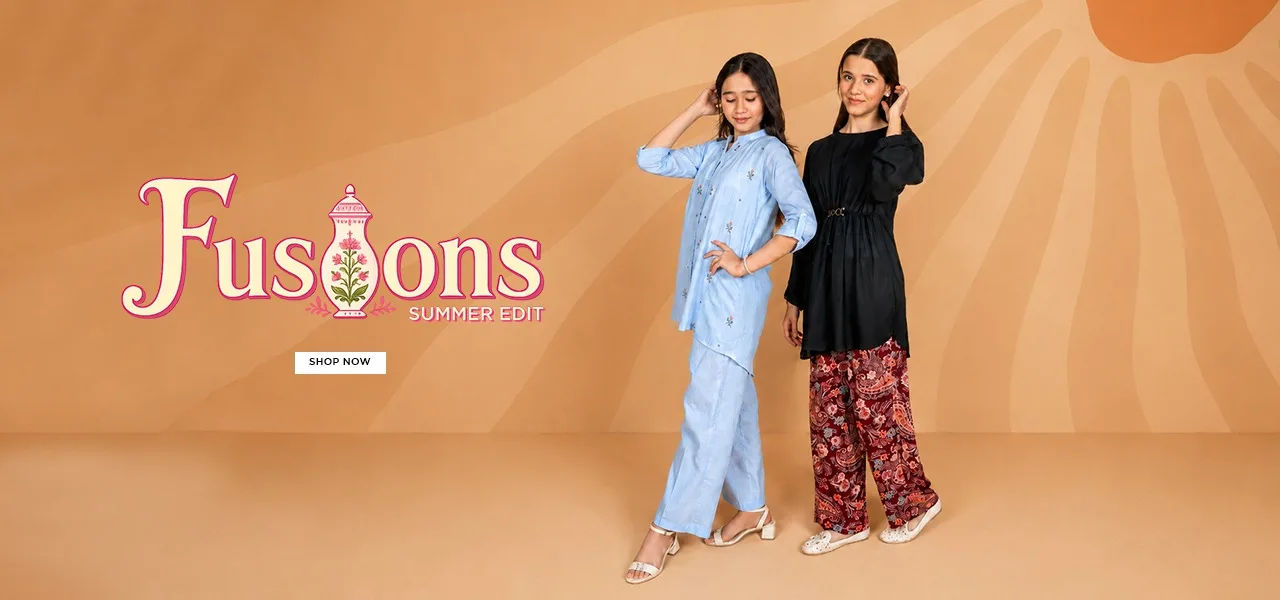 pakistani kids clothing brands sell products designed around different ages, seasons, occasions, and family budgets, making it easier for parents to find suitable clothes without relying only on imported options.
The range has also changed significantly over time. Children's fashion is no longer limited to a few basic shalwar kameez designs or simple T-shirts and trousers. Modern collections include coordinated outfits, festive dresses, denim, sleepwear, school-friendly clothing, accessories, and seasonal collections. Many brands combine traditional Pakistani details with contemporary cuts and colors.
Understanding what these brands sell can make shopping easier. Instead of looking at children's clothing as one broad category, parents can consider everyday wear, formal clothing, ethnic outfits, seasonal collections, newborn clothing, footwear, and accessories separately. Each category serves a different purpose, and choosing the right one depends on the child's age, lifestyle, comfort needs, and the occasion.
Everyday Clothing for Children
One of the largest categories sold by Pakistani children's fashion businesses is everyday clothing. These clothes are designed for school holidays, playing at home, family visits, shopping trips, and other ordinary activities.
Comfort is usually more important than elaborate decoration in this category. Children move constantly, so clothing needs to allow easy movement without being unnecessarily heavy or restrictive.
T-shirts, polo shirts, casual shirts, trousers, jeans, shorts, leggings, skirts, and simple dresses are common examples. For younger children, parents may also find coordinated sets that include a top and matching bottoms.
Cotton remains particularly useful for everyday clothing in Pakistan because of the country's warm climate in many parts of the year. Lightweight fabrics can be more comfortable for children who spend time outdoors or in homes without constant air conditioning.
Traditional Pakistani Clothing
Traditional clothing remains an important part of children's fashion. Pakistani families often dress children in traditional outfits for religious celebrations, weddings, family gatherings, school events, and cultural occasions.
Shalwar kameez is one of the most recognizable choices. Children's versions may feature simple embroidery, printed fabrics, contrasting borders, buttons, or decorative stitching.
For boys, brands may sell kurta shalwar, waistcoats, kurtas with trousers, and other traditional combinations. Girls may find shalwar kameez, frocks, ghararas, shararas, and traditional two-piece or three-piece outfits.
The level of decoration varies considerably. Some designs are deliberately simple for comfortable daytime wear, while others use embroidery, embellishments, lace, or richer fabrics for formal occasions.
Eid Clothing Collections
Eid is one of the biggest shopping periods for children's clothing in Pakistan. As a result, many pakistani kids clothing brands release special collections before Eid.
These collections often include traditional and modern styles. Boys may have embroidered kurtas, waistcoats, or coordinated ethnic sets. Girls may have embroidered dresses, festive frocks, shararas, ghararas, or embellished suits.
Color choices can also change during Eid collections. Bright shades, pastel colors, whites, greens, pinks, blues, and festive combinations are commonly seen across children's fashion.
Parents often look for a balance between appearance and comfort. An outfit may look beautiful in photographs, but if it is too heavy, itchy, tight, or difficult to move in, a child may not enjoy wearing it for several hours.
Wedding and Formal Wear
Children frequently attend weddings in Pakistan, which creates demand for formal clothing.
Girls' formal wear may include heavily embroidered dresses, long frocks, lehengas, ghararas, shararas, and embellished traditional outfits. Boys may wear formal kurtas, waistcoats, prince coats, or coordinated traditional outfits.
Some formal children's clothes are designed to resemble adult fashion while maintaining child-friendly proportions. This allows children to participate in family celebrations without simply wearing miniature versions of uncomfortable adult clothing.
Parents should pay attention to the weight of embellishments. Beads, sequins, metallic decorations, and heavy embroidery can make an outfit considerably heavier than an everyday garment.
For younger children especially, simple formal clothing can sometimes be more practical than highly decorated pieces.
Girls' Clothing
Girls' clothing represents a broad portion of the children's fashion market. The choices can range from simple casual dresses to elaborate formal outfits.
Everyday options may include cotton frocks, tops, trousers, leggings, skirts, and two-piece sets. For traditional occasions, parents can choose embroidered suits, frocks, shararas, ghararas, lehengas, and other ethnic designs.
Printed dresses are useful for casual occasions because they can provide attractive styling without the maintenance associated with heavy embellishment.
Formal collections usually include more detailed work. Lace, embroidery, borders, tassels, beads, sequins, and decorative sleeves may be used to create a more festive appearance.
Boys' Clothing
Boys' fashion has also become more diverse. Rather than being limited to plain shirts and trousers, children's collections can include casual, formal, traditional, and semi-formal options.
T-shirts and jeans are common choices for casual wear. Polo shirts, button-down shirts, chinos, shorts, and coordinated sets provide additional options.
For traditional occasions, kurtas and shalwar kameez are particularly popular. A waistcoat can turn a relatively simple kurta into a more formal outfit.
For weddings, boys may also find prince coats, formal shirts, trousers, waistcoats, and coordinated ethnic combinations.
The main consideration should be whether the child can comfortably sit, walk, play, and move while wearing the outfit.
Newborn and Infant Clothing
Many children's clothing businesses also cater to babies. Newborn clothing requires a different approach because infants have delicate skin and need frequent changes.
Common products include bodysuits, rompers, sleepsuits, shirts, trousers, bibs, caps, socks, and soft matching sets.
Soft fabrics are particularly important for infants. Clothing should ideally avoid unnecessary rough seams, uncomfortable decorations, or features that could irritate sensitive skin.
Parents also need practical closures. Snap buttons and easily accessible openings can make diaper changes considerably easier.
Sizing deserves extra attention with baby clothing because children grow quickly. Buying a large quantity of one size may not always be economical.
Seasonal Collections
Pakistan's climate changes considerably throughout the year, so seasonal clothing is another major category.
Summer collections commonly focus on lightweight fabrics and breathable designs. Cotton and other light materials can make daily dressing more comfortable during hot weather.
Winter collections may include sweaters, jackets, sweatshirts, hoodies, coats, thermal layers, trousers, and heavier traditional outfits.
Children can require several layers during colder weather, especially in areas where temperatures fall substantially during winter.
Transitional clothing is also useful. Lightweight jackets, cardigans, full-sleeve shirts, and layering pieces can work when temperatures change throughout the day.
Sleepwear and Loungewear
Sleepwear is sometimes overlooked when discussing children's fashion, but it is an important practical category.
Children's nightwear may include pajama sets, night suits, cotton shirts, shorts, trousers, and soft matching combinations.
Comfort is the main priority. Sleepwear should not be excessively tight, heavy, or irritating.
For warm weather, lightweight night suits can be useful. During winter, warmer pajama sets and full-sleeve options can provide additional coverage.
Loungewear can also overlap with sleepwear. Soft tracksuits, relaxed trousers, and casual sets may be suitable for children spending much of the day at home.
School and Casual Basics
Some children's brands also sell clothing that works for school or school-related activities, although uniform requirements vary between institutions.
Basic shirts, trousers, sweaters, cardigans, socks, jackets, and simple shoes may be available depending on the brand.
Even when a school requires a specific uniform, children still need casual clothing outside school. Parents often prefer durable basics that can withstand frequent washing.
This is where fabric quality becomes important. A cheap-looking garment that loses its shape after several washes may cost more in the long run than a better-made basic.
Matching Family Outfits
Coordinated family clothing has become another interesting category in children's fashion.
Parents may find children's outfits designed to complement adult collections. A mother and daughter might wear similar colors or patterns, while a father and son might coordinate through matching kurtas or waistcoats.
Matching does not necessarily mean wearing exactly the same clothing. Sometimes the coordination comes from similar colors, prints, embroidery, or fabric details.
This trend is particularly common during Eid, weddings, family photography sessions, and other special occasions.
Accessories for Children
Clothing brands may also sell accessories that complete an outfit.
Depending on the business, these can include hair accessories, caps, scarves, belts, socks, bags, bows, clips, and other small fashion items.
Girls' formal outfits may be paired with decorative hair accessories, while boys' traditional clothing may be complemented by caps or waistcoats.
Accessories should still be practical. For younger children, parents should consider whether small detachable components could create a safety concern.
Footwear and Coordinated Items
Some children's fashion retailers expand beyond clothing into footwear and other complementary products.
Shoes may include sandals, sneakers, formal shoes, slippers, and traditional styles. The available range depends on the retailer.
When buying children's footwear, appearance should not be the only consideration. Proper sizing and comfortable construction are important because children's feet are still developing.
A beautiful outfit paired with uncomfortable shoes can quickly become a frustrating experience for both the child and the parent.
Clothing Sets and Complete Outfits
Another popular product type is the complete clothing set.
Instead of purchasing a shirt, trousers, and accessories separately, parents can purchase a coordinated outfit.
For babies, sets might contain a top, trousers, and matching accessories. For older children, a set might include a shirt and trousers or a traditional outfit with complementary pieces.
These sets can save shopping time because the colors and patterns have already been coordinated.
They can also be useful when parents need an outfit quickly for a particular event.
Clothing for Different Age Groups
The needs of a two-year-old are obviously different from those of a teenager. Good children's fashion collections generally reflect these differences.
Toddlers need comfortable clothing that supports movement and frequent changes. Young school-age children often need durable everyday clothes that can survive active play.
Older children may become more interested in current fashion trends, colors, cuts, and styles. Teenagers can have preferences that are closer to adult fashion while still requiring age-appropriate designs.
Sizing is therefore more complicated than simply selecting a child's age. Two children of the same age can have very different body proportions.
Parents should use the actual measurement chart whenever one is provided rather than relying entirely on age labels.
What Parents Should Look for When Shopping
Knowing what pakistani kids clothing brands sell is only the first step. Parents also need to determine whether a particular garment is appropriate for their child.
Fabric should match the weather and intended use. A heavily embellished outfit may be suitable for a wedding but unnecessary for everyday use.
Construction is equally important. Check seams, buttons, zippers, embroidery, and other details before purchasing when possible.
Parents buying online should carefully read the size chart. Measurements such as chest, length, waist, and sleeve length can be more reliable than labels such as "6 years" or "8 years."
Return and exchange policies can also matter, especially when purchasing clothing online.
Online Shopping for Children's Clothing
Online shopping has changed how parents buy children's fashion in Pakistan. Instead of visiting several stores, parents can browse multiple collections from home.
Online stores commonly provide photographs, product descriptions, size charts, fabric information, and delivery details.
The main challenge is that parents cannot physically inspect the garment before ordering. Images can also make colors appear slightly different depending on lighting and screen settings.
Reviews can sometimes provide useful information about sizing, fabric feel, stitching, and actual appearance.
Parents should also check whether the retailer provides exchanges for incorrect sizing. This becomes especially important when buying clothes for rapidly growing children.
How Children's Fashion Balances Tradition and Modern Style
One of the most interesting features of Pakistani children's fashion is the combination of traditional and contemporary design.
A kurta might have a modern cut. A traditional dress might use a contemporary print. A classic shalwar kameez can be paired with a modern waistcoat.
This approach allows children to wear clothing that reflects Pakistani culture while still looking current.
It also gives parents more flexibility. A single traditional garment can sometimes be used for Eid, family dinners, cultural events, and other occasions depending on how it is styled.
Price and Quality Differences
Not all children's clothing is positioned at the same price level. Pakistani children's fashion includes budget-friendly basics, mid-range collections, and premium formal wear.
Price can be influenced by fabric, embroidery, construction, branding, design complexity, and the type of occasion for which the clothing is intended.
A higher price does not automatically guarantee that an item will suit a particular child. Parents should consider how often the garment will be worn.
For everyday clothes, durability and easy washing may matter more than elaborate decoration.
For a special event, design and finishing may carry greater importance.
Conclusion
Pakistani children's clothing covers a surprisingly broad market. pakistani kids clothing brands sell far more than basic shirts and trousers. Their collections can include everyday casual wear, traditional shalwar kameez, Eid outfits, wedding clothing, seasonal garments, sleepwear, newborn essentials, accessories, footwear, coordinated sets, and formal fashion.
The right choice depends on the child's age, comfort, the weather, the occasion, and how frequently the garment will be used. Everyday clothing generally benefits from breathable fabrics, comfortable construction, and easy maintenance, while formal clothing can include more decorative details.
Traditional Pakistani clothing continues to have an important place in children's wardrobes, especially around Eid and family celebrations. At the same time, modern casual designs give children practical choices for daily life.
Parents can make better purchases by focusing on fit, fabric, construction, sizing, and purpose rather than choosing an outfit based only on its appearance. A beautiful children's garment is much more useful when the child can actually move, play, sit, and enjoy wearing it.
Ultimately, the wide range available from pakistani kids clothing brands gives families plenty of ways to dress children for ordinary days as well as important celebrations. Understanding the different product categories makes it easier to choose clothing that looks appropriate, feels comfortable, and provides genuine value.